
Trauma Therapy in Carlsbad, California
Virtual therapy services offered throughout California, Colorado, and the U.S. Virgin Islands

Surviving isn't the same thing as living
You've survived a lot. Maybe more than most people know. From the outside, you probably look like you've got it together. But inside, your nervous system never seems to get the memo that you're finally safe.
If you've spent years living in survival mode, constantly scanning for danger, overthinking every interaction, or feeling like your body is always "on"-you're not broken.
You're adaptive.
Your brain can learn something different.
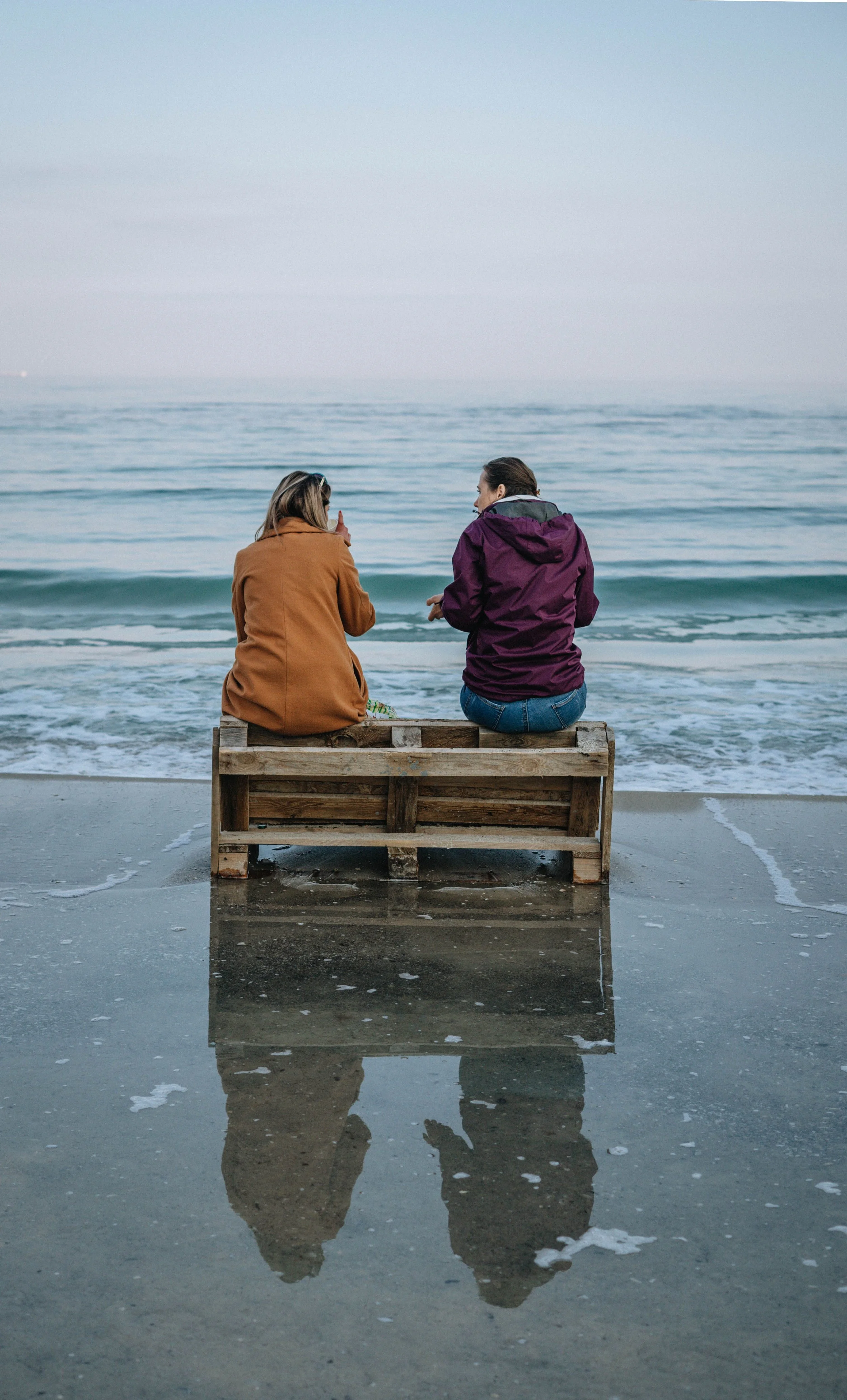
Maybe Trauma Doesn't Look the Way You Think it Does
When most people hear the word trauma, they picture one catastrophic event. Sometimes that's true. But trauma can also be years of walking on eggshells, growing up without emotional safety, never feeling good enough, always being the strong one, or living in a body that never truly gets to relax.
Maybe you've spent so long adapting that you've started calling your survival strategies your personality.
Perfectionism. People-pleasing. Hyper-independence. Always expecting the worst. Feeling responsible for everyone else's emotions.
Those aren't character flaws.
They're often brilliant adaptations that helped you survive.
The problem is...survival strategies don't always realize the danger has passed.

How I Approach Trauma Therapy in Carlsbad
I don't believe my job is to fix you.
I don't believe healing happens by pretending the past didn't happen.
And I don't believe therapy should become a place where you endlessly revisit pain without moving forward.
My job is to help your nervous system experience something it may not have felt in a very long time:
Safety.
Some sessions will be reflective. Some will be practical. We'll celebrate wins, challenge old stories, notice patterns, and probably laugh more than you expect.
I'm not interested in helping you become better at surviving.
You've probably gotten pretty damn good at surviving already.
I'm interested in helping you remember what it feels like to actually live.
Why Understanding What Happened Isn't Always Enough

One of the hardest parts about trauma is that understanding what happened doesn't always change how it continues to affect you.
You can understand exactly why you react the way you do. You can read the books. Listen to the podcasts. Connect all the dots.
And still find yourself having the exact same reaction.
Not because you're failing.
Because insight and change aren't always the same thing.
Trauma can leave its mark in different ways. Sometimes it lives in the beliefs you developed about yourself, other people, or the world: It was my fault. I should have known. I can't trust anyone. I'm not safe. Other times, your body and nervous system continue responding as though the danger is still happening, even when your mind knows that it's over.
That's why I don't believe in forcing every person or every trauma into the same kind of therapy.
Cognitive Processing Therapy (CPT) gives us a structured way to identify and work through the beliefs trauma can leave behind. EMDR and Brainspotting offer different ways of processing experiences that can remain deeply held in the brain and nervous system. The approach we use depends on you, what you're carrying, and where you seem to be getting stuck.
Because sometimes understanding your story isn't what changes your life.
Changing your relationship to what happened does.
Trauma Can Wear Many Faces
Trauma isn't defined only by what happened. It's also about what happened inside you.
Whether your story involves childhood trauma, military service, an emotionally abusive relationship, religious trauma, profound grief, medical experiences, or years of chronic stress, your nervous system deserves the chance to heal.
Some of the areas I commonly help clients navigate include:
✓ Childhood trauma
✓ Complex PTSD (C-PTSD)
✓ Military trauma
✓ First responder trauma
✓ Narcissistic abuse
✓ Emotional abuse
✓ Religious trauma
✓ Medical trauma
✓ Grief & traumatic loss
✓ Chronic stress & burnout

Meet Your Carlsbad Trauma Therapist
CHELSEA ROUSH, LPCC
Trauma Therapist
Hi! I’m Chelsea Roush, a trauma therapist specializing in trauma and complex trauma, EMDR, Brainspotting, and trauma-focused therapy for adults who are tired of understanding what happened to them but still feeling its effects.
Trauma doesn’t always look like falling apart. Sometimes it looks like being incredibly capable, staying ten steps ahead, keeping everyone else okay, or functioning so well that no one realizes how much energy it takes to hold everything together.
My approach is warm, direct, and grounded in helping you understand not only what happened, but what your mind and nervous system learned to do because of it. We can work with the patterns that once protected you so they don’t have to keep running your life long after the danger has passed.
Insight illuminates the path. Action carries you home.

A few questions you might still be wondering...
-
One of the biggest misconceptions about trauma is that it has to involve one catastrophic event. While it certainly can, trauma can also develop from years of emotional neglect, growing up walking on eggshells, chronic criticism, emotionally abusive relationships, medical experiences, military service, or living in survival mode for long periods of time.
If an experience continues to shape the way you think, feel, relate to others, or move through the world, it's worth paying attention to. You don't have to earn the right to heal.
-
One of the things clients are often most relieved to hear is that healing doesn't require you to recount every painful detail of your story. We'll move at a pace that feels manageable for your nervous system. You will never be pressured to share more than you're ready to.
-
This is incredibly common.
Insight is important, but trauma isn't stored only as a story we remember—it's also held within the nervous system. That's why you can logically know you're safe while your body continues reacting as though the danger is still present.
Healing often begins when your nervous system has the opportunity to experience something different-not simply understand it.
-
Not every session uses EMDR or Brainspotting, and not every client needs them.
I integrate these approaches thoughtfully when they're a good fit for your goals and your nervous system. Both can be powerful ways of helping the brain process experiences that continue to feel emotionally "stuck," often reaching places traditional talk therapy alone cannot.
We'll decide together if and when they're appropriate.
-
There's no honest one-size-fits-all answer.
Healing depends on many factors, including your goals, your history, the support you have outside of therapy, and how long you've been carrying what you're carrying.
I'm far less interested in rushing the process than I am in helping you create meaningful, lasting change.
-
I don't believe so.
I've watched people who were convinced they'd always live in survival mode slowly begin to breathe easier, trust themselves again, reconnect with people they love, and build lives they genuinely enjoy waking up to.
Healing doesn't erase your story.
But it can change the way your story lives inside you.
-
Sometimes.
Growth can be uncomfortable. Healing often asks us to turn toward places we've spent years trying to avoid. But I don't believe therapy should leave you drowning every week.
My goal is to help you feel challenged without becoming overwhelmed. We'll move at a pace that honors both your courage and your nervous system, creating enough safety that difficult work becomes possible without feeling like you're reliving your trauma.
-
Both! I offer in-person trauma therapy at my Carlsbad office and virtual trauma therapy throughout California, Colorado, and the U.S. Virgin Islands. Depending on what you’re carrying and what feels like the right fit, our work may include EMDR, Brainspotting, and other trauma-focused approaches for PTSD, complex trauma, and experiences that continue to affect how you feel, respond, or relate today.
Ready to Start Trauma Therapy in Carlsbad, California?
What helped you survive doesn’t have to define how you live.
A free consultation is a chance to talk about what’s bringing you here, ask questions, and see whether trauma therapy and Wildlight feel like the right fit. You don’t need to know exactly where to begin. We can figure that part out together.