
Life Transitions Therapy in Carlsbad, California
Virtual therapy services offered throughout California, Colorado, and the U.S. Virgin Islands
Sometimes the hardest part isn't what happened. It's figuring out who you are afterward
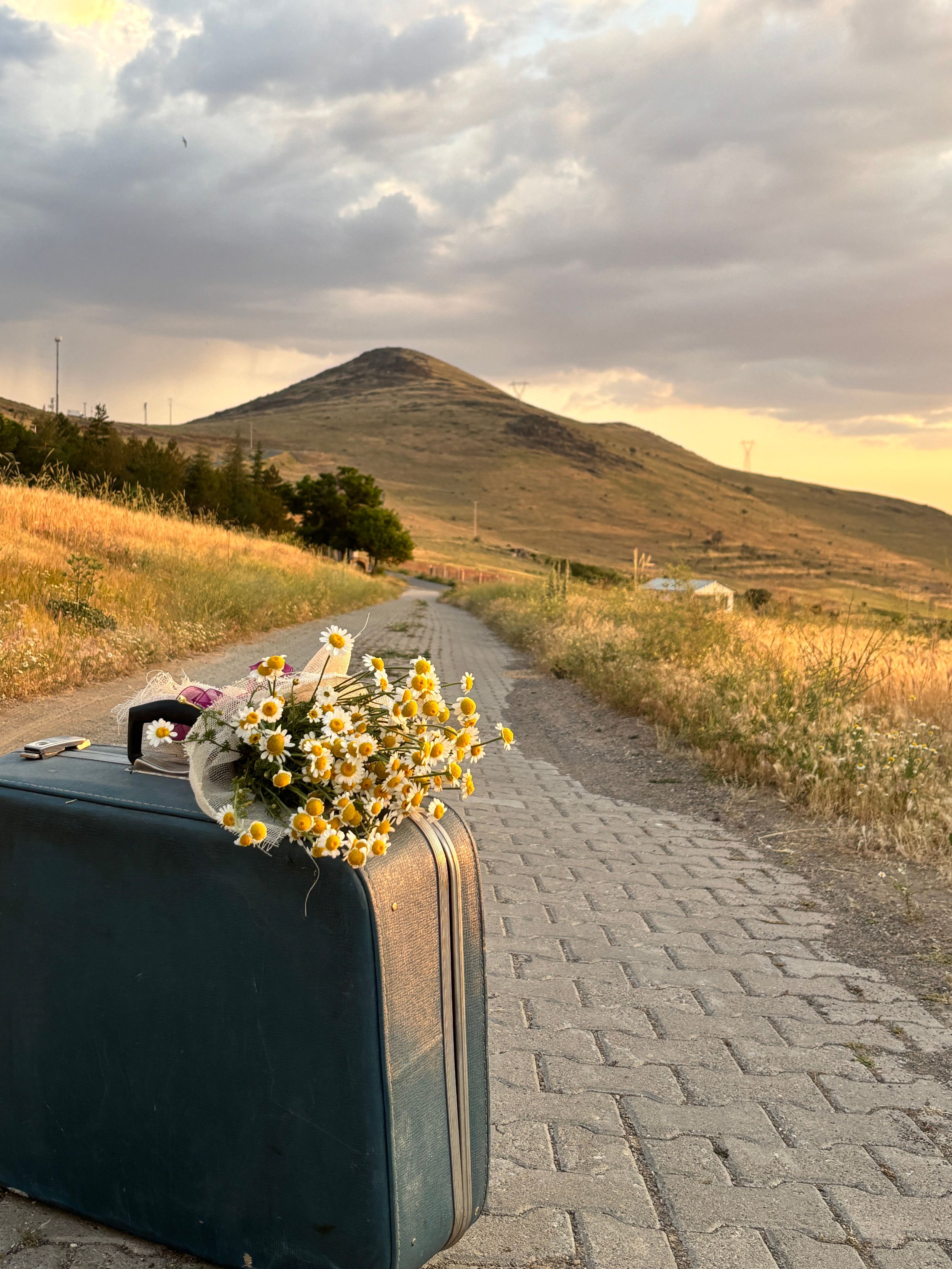
There are moments in life that divide everything into
Before and After.
The divorce papers get signed. The diagnosis comes. The phone rings in the middle of the night. The kids leave for college. You lose someone you thought you'd have forever. You move across the country. You leave the military. You become a parent. You become an empty nester. You finally walk away from the relationship you spent years trying to save.
And suddenly the life you thought you were building no longer exists.
Even when the change is the right one...it can still break your heart.
Healing isn't about pretending you wanted this.
It's about learning how to build a life you genuinely want from here.
Maybe this sounds familiar...
Maybe you're waking up every morning wondering how this became your life. You look around and recognize the furniture, the neighborhood, the people around you...but somehow your own life feels unfamiliar.
Maybe you're grieving someone who is still alive. A marriage that ended. A career you loved. The version of yourself that existed before everything changed. Maybe everyone around you keeps telling you to "move on," but they're not the ones trying to figure out how to rebuild an identity they never expected to lose.
Or maybe this transition is something you've wanted for years. Maybe you're finally sober. Maybe you finally left the unhealthy relationship. Maybe you got the promotion, moved across the country, retired from the military, or became a parent after years of hoping you would.
And yet...
Instead of relief, you feel disoriented.
That's more common than you might think.
Because even good change asks us to grieve the person we used to be.
Life transitions have a way of asking questions we never planned on answering.
Who am I now?
What do I do with all of this?
Where do I go from here?
Those aren't signs that you're failing.
They're signs that you're becoming.
How I Approach Therapy for Life Transitions in Carlsbad
One of the biggest misconceptions about healing is that time, by itself, fixes everything.
It doesn't.
Time gives us distance.
Healing asks something different.
It asks us to make meaning from what we've lived through.
To grieve what we've lost without allowing it to become the only thing that defines us. To honor who we were while creating space for who we're becoming.
That's the work.
Clinically, I draw from Acceptance and Commitment Therapy (ACT) to help you stop fighting reality and begin building a life that's aligned with your values, even when grief, uncertainty, or fear are still present. I use Cognitive Behavioral Therapy (CBT) to challenge the beliefs that often emerge after major life changes, such as "I'll never be happy again," or "This is all my fault." Through Internal Family Systems (IFS)-informed work, we can better understand the parts of you that are desperately trying to hold on, protect you, or make sense of everything that's happened. And when a major life transition involves trauma or experiences that continue to feel emotionally stuck, we may integrate trauma-focused approaches like EMDR or Brainspotting to work with what talking alone sometimes cannot.
My goal isn't to help you "get over it."
My goal is to help you move through it without losing yourself along the way.
The Life You Imagined Is Allowed To Matter

One of the hardest parts about major life transitions is that people often expect us to grieve only what actually happened.
But that's rarely what hurts the most.
Sometimes we're grieving the future we pictured. The marriage we thought we'd grow old in. The retirement we imagined. The version of ourselves we believed we'd become. The years we can't get back. The plans we quietly built in our heads without ever realizing they might not come true.
That's real grief.
And I think it deserves to be treated with that same level of respect.
At the same time, I also believe something deeply:
You can only stand in the ashes for so long before it's time to start building again.
Not because your pain has an expiration date.
Not because you should "be over it" by now.
But because your life is still happening.
There comes a moment when healing asks a different question. Not "Why did this happen?" but "Who do I want to become now?"
That's the question I want to help you answer.

What If This Wasn't The End Of Your Story?
Imagine looking back at this season years from now and realizing it wasn't the chapter that destroyed your life.
It was the chapter that taught you who you really were.
Imagine waking up without immediately feeling the weight of what you've lost. Imagine laughing without guilt. Imagine making plans for the future again instead of constantly replaying the past. Imagine trusting that your life can still hold joy, meaning, purpose, and connection, even if it looks nothing like the one you originally imagined.
I can't promise this chapter will become your favorite.
Some losses will always matter. Some people will always be missed. Some endings will always leave scars.
But I can promise this:
This chapter does not get to write the rest of your story.
You do.
And I'd be honored to help you pick up the pen.
Meet Your Carlsbad Life Transitions Therapist

CHELSEA ROUSH, LPCC
Trauma Therapist
Hi, I’m Chelsea Roush, a trauma therapist who works with adults navigating major life transitions, including divorce, career changes, relocation, grief, identity shifts, and those strange in-between seasons when the life you knew no longer quite fits.
Sometimes the hardest transitions are the ones you chose. You can know a change is right for you and still grieve what you’re leaving behind. You can feel excited about what’s next and completely untethered at the same time.
My approach is warm, direct, and focused on helping you make sense of where you’ve been without letting it dictate where you go next. Together, we can sort through what you’re carrying, reconnect with what matters to you now, and build a life that actually fits the person you’re becoming.
Insight illuminates the path. Action carries you home.
Life Has A Way Of Asking Questions We Never Thought We'd Have To Answer
Here are a few that often come up when everything changes:

-
Yes, but maybe not in the way you're expecting.
Healing isn't about getting your old life back. Sometimes it's about discovering a version of yourself that's wiser, stronger, more grounded, and more authentic because of what you've lived through.
My hope isn't to help you become who you were before. It's to help you become who you're meant to be now.
-
Because choosing something doesn't mean it didn't cost you something.
Divorce, retirement, sobriety, moving, career changes, and even joyful milestones often involve letting go of another version of your life. Grief and gratitude can exist in the same heart at the same time.
-
The intensity changes long before the significance does.
The goal isn't to erase what mattered to you. It's to make sure the pain no longer has the loudest voice in your life. Healing doesn't ask you to forget. It helps you remember without feeling trapped there.
-
Usually, the fact that you're asking that question tells me something important.
There comes a point where healing quietly shifts. It stops being about making it through another day and starts becoming about asking yourself what kind of life you want to build with the days you still have. That's where our work begins.
-
First, I don't think we try to make you stop.
The mind replays painful moments for a reason. It's trying to protect you from ever having to experience that kind of pain again. It keeps searching for the one decision, the one conversation, or the one moment that, if you'd only handled it differently, might have changed the ending.
The problem is that hindsight is a terrible measuring stick. You're judging yesterday's decisions with information, perspective, and wisdom you simply didn't have at the time.
Part of our work together is helping you separate what was truly yours to carry from what never was. We make space for regret when it's appropriate, take responsibility where it's yours to take, and gently let go of the impossible expectation that you should have known then what you only know now.
You can't rewrite the past.
But you can stop putting it on trial every single day.
-
Both! I offer in-person life transitions therapy at my Carlsbad office and virtual therapy throughout California, Colorado, and the U.S. Virgin Islands. I work with adults navigating divorce, career changes, relocation, grief, identity shifts, relationship changes, and other major transitions that can leave you questioning what comes next.

Ready to Start Life Transitions Therapy in Carlsbad, California?
You’re allowed to outgrow a life that once made perfect sense.
A free consultation is a chance to talk about what’s changing, what feels uncertain, and what you want life to look like on the other side of this transition. You don’t need to know exactly where you’re headed before we begin. Sometimes figuring that out is part of the work.