
Online Therapy Across Colorado
Colorado will always be home, and I'm grateful I still get to serve the people who call it home too
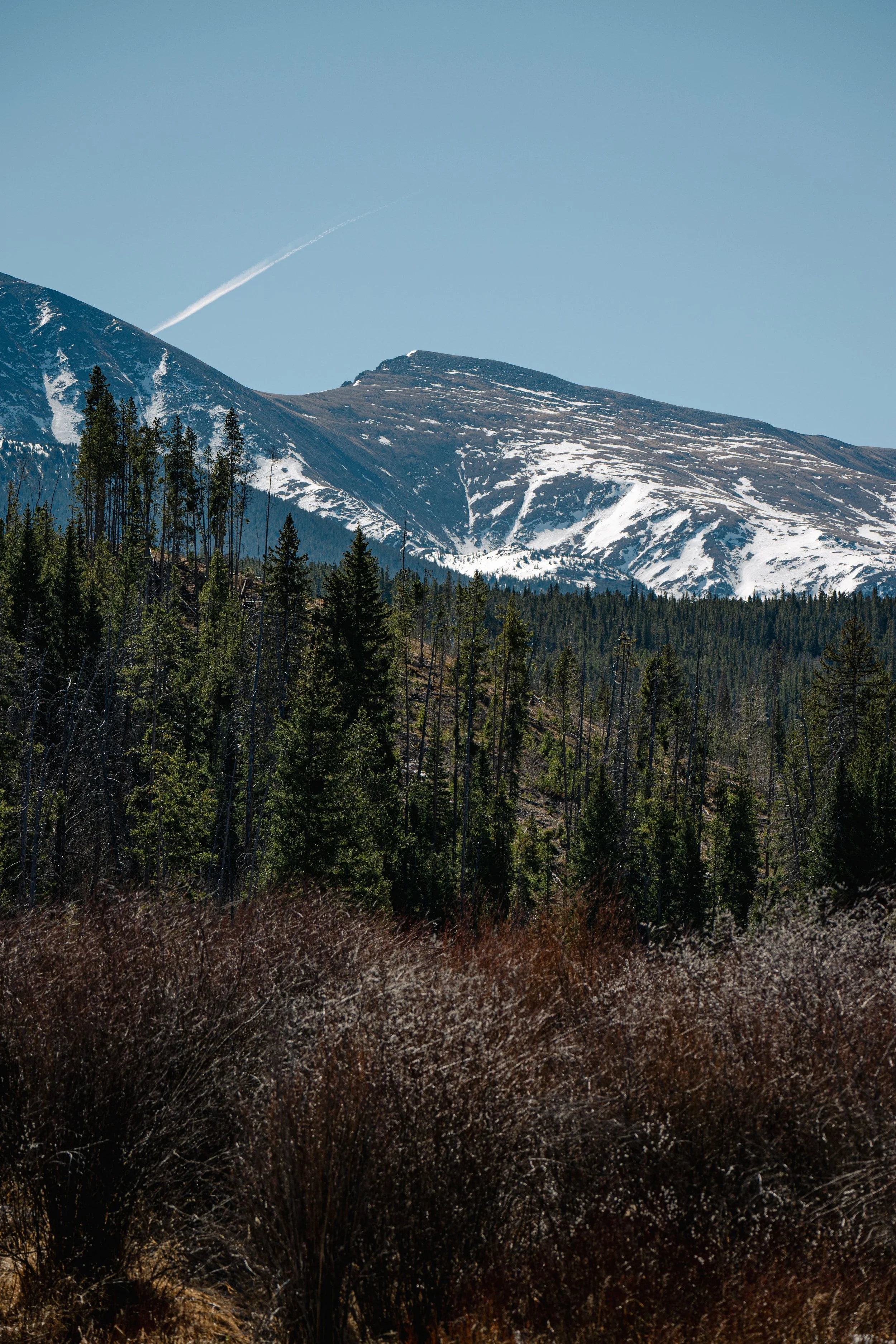
Although my family and I now live in California, Colorado will always hold a special place in my heart. It's where I grew up, where I learned to become a therapist, and where I had the privilege of walking alongside people through some of the most difficult seasons of their lives.
It's also where I learned that healing has very little to do with having the perfect words, and everything to do with creating a space where people finally feel safe enough to tell the truth.
One of the things I love most about telehealth is that moving didn't mean saying goodbye. Because I'm licensed in Colorado, I'm still able to continue working with adults throughout the state, whether you're in Denver, Fort Collins, Colorado Springs, Boulder, a small mountain town, or anywhere in between.
Coming home looks different these days.
But in many ways...
I never really left.
Therapy That Meets You Where You Are
One of the unexpected gifts of online therapy is that it allows us to focus less on geography and more on finding the right therapeutic relationship.
For many people, virtual therapy removes barriers that often make getting help feel impossible. There's no commute across town after a long day of work, no racing through traffic hoping you aren't late, and no sitting in a waiting room wondering if you'll run into someone you know. Instead, you get to settle into your favorite chair, grab a cup of coffee, wrap yourself in a blanket if you'd like, and meet from the place where life is actually happening.
Over the years, I've found that many clients open up more quickly in their own homes than they ever expected. They're more comfortable. More relaxed. More themselves.
Research has consistently shown that telehealth can be just as effective as in-person therapy for many of the concerns I treat. After years of working virtually, I believe the quality of therapy has far more to do with the relationship you build than the room you happen to be sitting in.
Who I Work Best With
I intentionally keep my practice small.
Not because I don't love this work, but because I do.
I want to know my clients well. I want to remember the details that matter, to notice the subtle shifts that tell me something important is changing, and to show up to each session fully present. That's difficult to do when your calendar is packed from morning until night.
Because of that, I'm thoughtful about who I take on.
The people who tend to thrive in my practice aren't necessarily the ones who have life all figured out. In fact, many arrive exhausted. They're tired of repeating the same patterns, having the same arguments, numbing the same pain, or waking up every morning with the quiet realization that something has to change.
They're sick and tired of being sick and tired.
What they all have in common isn't a diagnosis. It's a willingness. A willingness to roll up their sleeves, get honest, become curious instead of defensive, and do the work that real healing asks of us. They aren't looking for someone to rescue them. They're looking for someone willing to walk beside them, challenge them when needed, and help them build a life they genuinely don't want to escape from.
I have an enormous amount of compassion for why you've become who you've become. None of us arrive here by accident. At the same time, I also have an enormous amount of hope for who you're still capable of becoming. Those two beliefs sit at the center of everything I do.
If you're looking for someone to simply nod along for fifty minutes every week and tell you everything is okay, I’m not your gal. But if you're ready for a therapist who will tell you the truth with kindness, help you understand both your story and your nervous system, celebrate your growth, and refuse to let shame have the final word, I think we'll do some really meaningful work together.

Why Wildlight Counseling?
There are a lot of therapists who can teach coping skills. There are a lot of therapists who can help you understand why you feel the way you do.
Both of those things matter.
What I'm interested in is helping you create change that follows you out of the therapy office and into the life you're actually living.
That means our work won't stay at the level of insight if your nervous system is still convinced you're in danger. We'll talk. We'll laugh when it's appropriate. We'll probably cry sometimes too. I'll challenge you with compassion. I'll celebrate the progress you don't yet know you've made. And when talking isn't enough, we'll have evidence-based tools like EMDR and Brainspotting to help us work with the parts of your brain and nervous system that conversation alone sometimes can't reach.
I don't believe in one-size-fits-all therapy because I don't believe two people heal exactly the same way. My job isn't to fit you into my favorite modality. My job is to understand your story well enough to build a treatment approach that's tailored to you.
Most of all, I want therapy to feel like a place where you can exhale.
A place where you don't have to perform.
A place where you don't have to convince me you're okay.
A place where your strengths are recognized, your pain is respected, and your future is never defined by your past.
Because at the end of the day, I don't measure success by how much insight you leave with.
I measure it by what changes in your life when you walk back out the door.
Questions I Hear Most Often
Starting therapy virtually can feel like a big step, especially if you've never done it before. Here are honest answers to some of the questions I hear most often:

-
Yes. Because I'm licensed in Colorado, I can provide secure telehealth therapy to adults anywhere in the state.
Whether you're in a larger city or a rural community, we can meet from wherever you have a private space and a reliable internet connection.
-
For many concerns, yes. Research consistently shows that telehealth is highly effective for trauma, anxiety, depression, grief, relationship concerns, and many of the issues I treat.
In my experience, many people are actually more open and comfortable meeting from their own homes than they expected.
-
The relationship between therapist and client is one of the strongest predictors of successful therapy.
That's exactly why I offer free consultation calls. It's an opportunity for us to talk about what brings you to therapy, answer your questions, and see whether working together feels like the right fit before making any commitment.
-
Not at all. One of the biggest advantages of telehealth is that we don't have to be in the same city to build a meaningful therapeutic relationship.
As long as you're physically located in Colorado at the time of our session, we can work together.