
Relationships & Attachment Therapy in Carlsbad, California
Virtual therapy services offered throughout California, Colorado, and the U.S. Virgin Islands
The goal isn't to find someone else to complete you. It's to stop abandoning yourself to keep someone else.
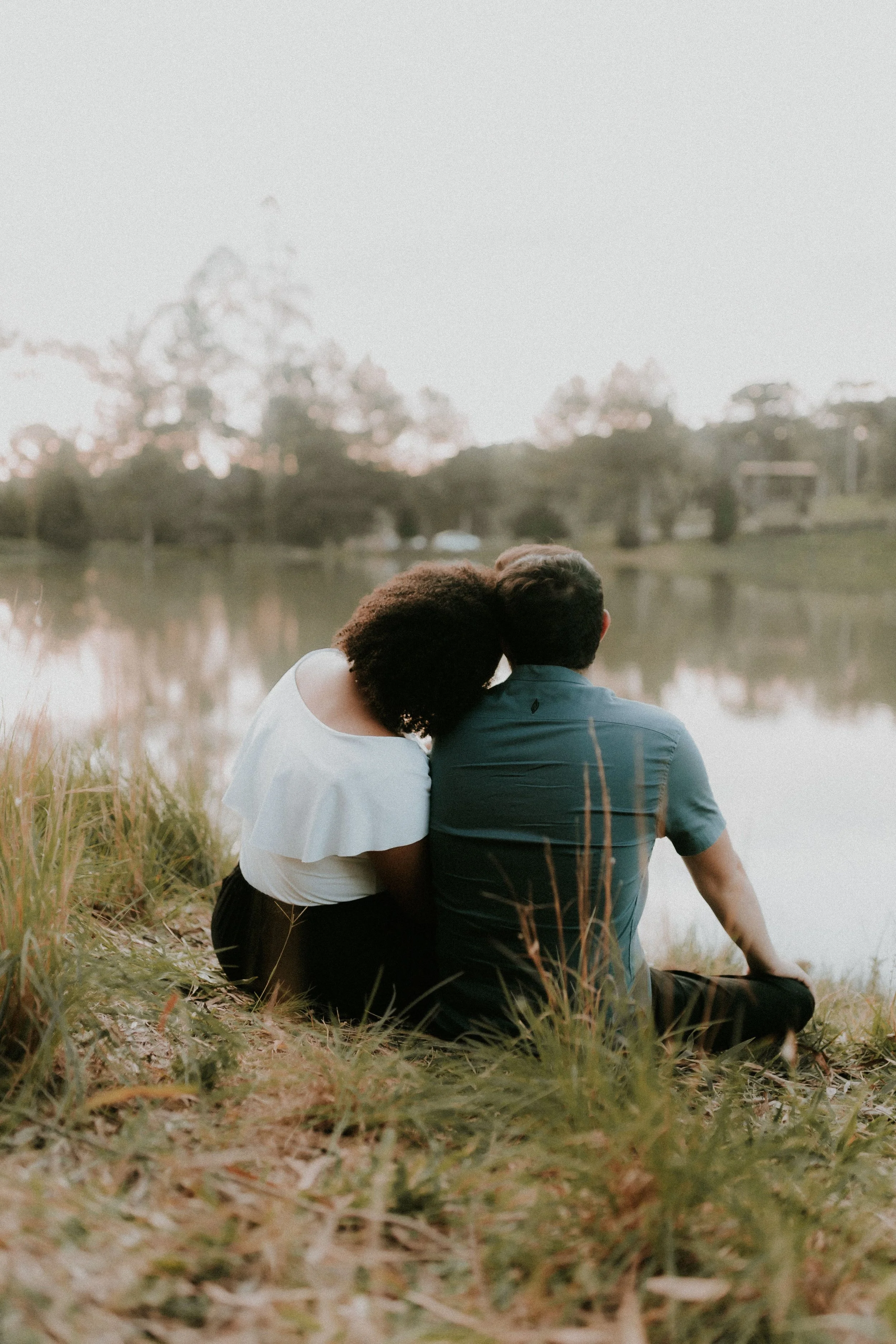
We all long to feel deeply known. To be loved without performing, fixing, shrinking, or proving our worth. We want relationships that feel safe, honest, and steady, yet so many of us find ourselves repeating the same painful patterns, wondering why every relationship seems to end in the same place.
Maybe you find yourself choosing emotionally unavailable partners. Maybe you lose your voice every time you fall in love. Maybe you overthink every text, avoid conflict at all costs, or carry the weight of everyone else's emotions while quietly ignoring your own. Different faces. Different circumstances. Yet somehow the ache feels familiar.
Here's what I've learned: relationships rarely begin with the person sitting across from us.
They begin with the beliefs we've carried about ourselves for years, the ways we've learned to protect our hearts, and the stories our nervous systems have come to believe about love, safety, and belonging.
The beautiful thing about patterns is this: what has been learned can also be unlearned.
Maybe this sounds familiar...
You replay conversations in your head for hours after they're over, wondering if you said too much, not enough, or somehow managed to ruin everything.
You apologize before you even know whose fault it was.
You find yourself scanning someone's tone of voice, facial expression, or body language, trying to figure out whether they're upset with you.
You tell yourself you're "just easygoing," but deep down you can't remember the last time you actually asked yourself what you wanted.
Maybe you've become so good at meeting everyone else's needs that you've completely lost touch with your own.
Or maybe you're the opposite.
Maybe you've built walls so high that no one ever really gets close enough to hurt you.
Either way...
It's lonely.
And here's the part I wish more people knew:
Those patterns didn't appear out of nowhere.
They were learned.
Which means they can be unlearned.
How I Approach Relationship Therapy in Carlsbad
Most relationship problems don't begin in the relationship.
They begin years earlier.
They begin with the messages we absorbed about love, conflict, worthiness, safety, and belonging. They begin in childhood homes, first heartbreaks, traumatic experiences, emotionally unavailable caregivers, and relationships that quietly taught us what to expect from other people.
That's why I don't spend our sessions handing out communication scripts and hoping everything magically improves.
I'm much more interested in understanding why your nervous system reacts the way it does.
Why does conflict feel unbearable?
Why does closeness feel dangerous?
Why do you chase people who can't love you back?
Why do healthy relationships sometimes feel...boring?
Clinically, I draw from Emotionally Focused Therapy (EFT) to understand attachment patterns, Internal Family Systems (IFS)-informed work to explore the protective parts of you that developed for good reason, Cognitive Behavioral Therapy (CBT) to identify beliefs that quietly shape your relationships, and Narrative Therapy to help rewrite stories that no longer deserve to define you.
If trauma or attachment wounds are part of your story, we may also integrate trauma-focused approaches like EMDR or Brainspotting. Because sometimes you don't just need different relationship skills.
Sometimes your nervous system needs a different experience of love, safety, and connection.
My goal isn't simply to help you have healthier relationships.
It's to help you become someone who no longer has to abandon themselves in order to keep one.
Love Shouldn't Feel Like Survival
One of the hardest truths I've learned is that we often mistake familiarity for compatibility.
If chaos felt familiar growing up, peace can feel strangely uncomfortable.
If love always had to be earned, healthy love can feel almost suspicious.
If you spent years believing your needs were "too much," asking for them now can feel terrifying.
None of that means you're choosing wrong on purpose.
It means your nervous system has been trying to keep you safe with the map it was given.
Our work isn't about judging that map.
It's about drawing a new one.
One where boundaries aren't selfish.
Conflict doesn't automatically mean abandonment.
Love doesn't require self-sacrifice.
And being fully yourself no longer feels like a risk.
What if you trusted yourself as much as you trust everyone else's opinions?
Imagine what your life would feel like if your worth wasn't determined by whether someone texted you back. If one difficult conversation didn't send you into hours of replaying every word, wondering whether you were too much, too emotional, too needy, or somehow not enough.
Imagine walking away from a relationship without feeling like you left pieces of yourself behind. Imagine saying no without rehearsing an apology. Imagine asking for what you need without feeling guilty for having needs in the first place. Imagine trusting your own instincts instead of constantly looking to someone else to tell you how you're doing, whether you're lovable, or whether you're enough.
For so many people, relationships become exhausting because they're spent managing someone else's emotions while quietly abandoning their own. They become experts at reading the room, anticipating conflict, smoothing things over, and making themselves smaller so everyone else can be comfortable. Somewhere along the way, they stop asking one very important question:
"What do I need?"
I don't want a life like that for you.
I want you to know what it feels like to walk into a relationship as a whole person, not as someone desperately hoping another person will convince you that you're worthy of love. I want you to experience the kind of peace that comes from knowing you can survive disappointment, rejection, conflict, and heartbreak without losing yourself in the process.
Because here's what I've learned.
Confidence isn't walking into a room believing everyone will like you.
It's walking into a room knowing you'll be okay even if they don't.
That's freedom.
Real freedom isn't finding someone who never disappoints you. It isn't finally saying all the right things or becoming easier to love. It's waking up one day and realizing that your sense of worth no longer rises and falls with someone else's ability to see it.
That's the kind of relationship I hope you build.
One where you stop performing.
Stop chasing.
Stop proving.
Stop abandoning yourself.
Because the healthiest relationship you'll ever have isn't the one where someone else finally chooses you.
It's the one where, every single day, you choose yourself.
I'd be honored to help you get there.
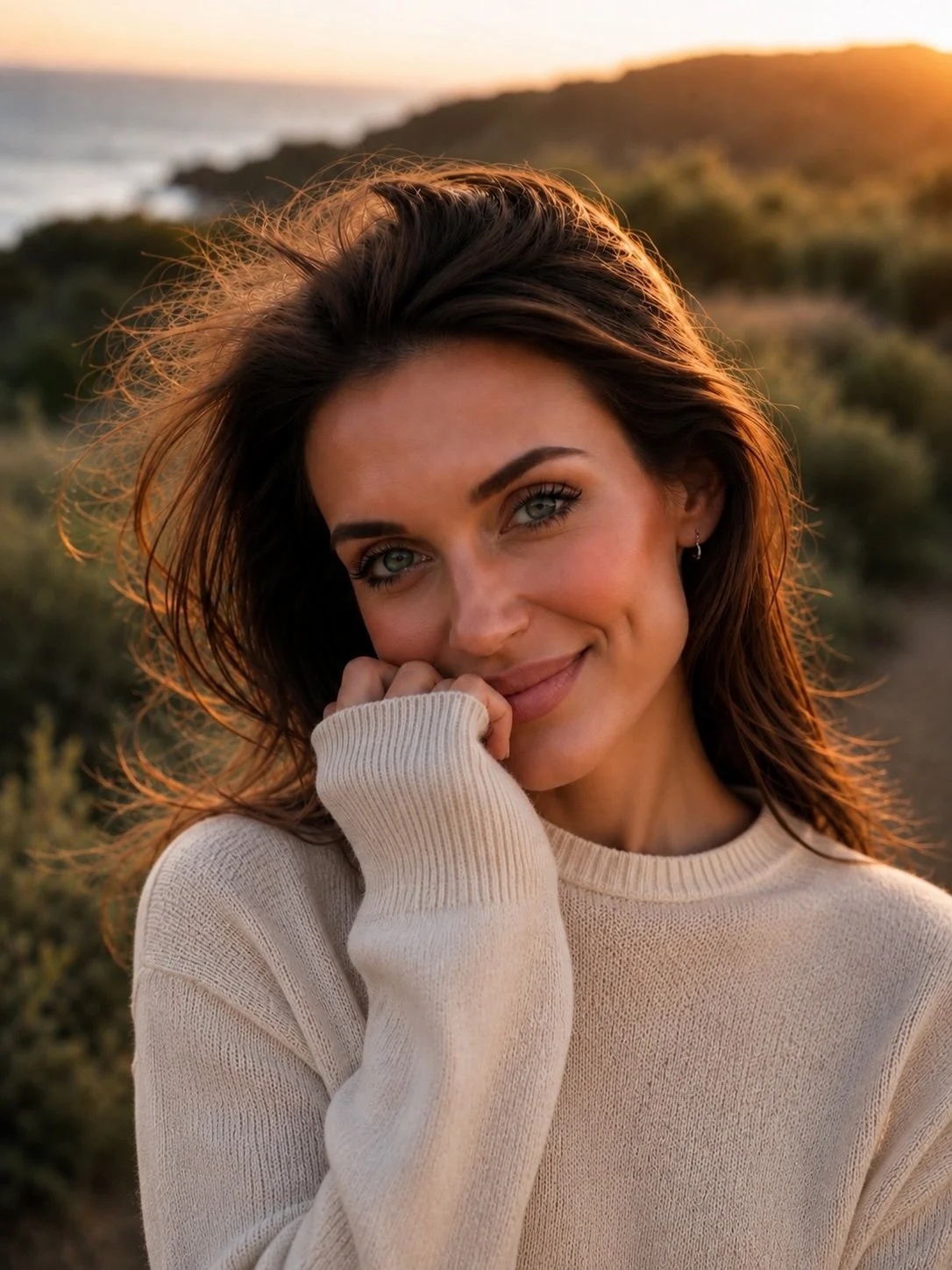
Meet Your Carlsbad Relationship & Attachment Therapist
CHELSEA ROUSH, LPCC
Trauma Therapist
Hi! I’m Chelsea Roush, a trauma therapist who works with adults navigating relationship patterns, attachment wounds, boundaries, trust, intimacy, and the ways past experiences can quietly shape how we connect with other people.
You can know a relationship isn’t good for you and still struggle to leave. You can want closeness and pull away the moment you get it. You can understand exactly where a pattern comes from and somehow find yourself repeating it anyway.
My approach is warm, direct, and focused on helping you understand not just what you do in relationships, but why those patterns developed in the first place. Together, we can work toward relationships that are shaped less by old survival strategies and more by what you actually want now.
Insight illuminates the path. Action carries you home.
Maybe you're wondering…
Relationships can get complicated. Here are a few questions I hear often.
-
Because we don't choose relationships based only on logic. We choose them with our nervous systems, our attachment histories, and the stories we've come to believe about ourselves. The good news is that patterns aren't permanent. Once you understand them, you can begin changing them.
-
For many people, this started long before dating. If love once felt conditional, unpredictable, or something that had to be earned, it makes sense that your nervous system learned to prioritize keeping the relationship over keeping yourself.
Therapy helps you reconnect with your own voice so intimacy no longer requires self-abandonment.
-
Because knowing something intellectually and feeling ready to act on it are two different things.
Relationships are emotional, biological, and deeply patterned. We'll explore what's keeping you stuck with compassion while also helping you build the confidence to make choices that align with the life you actually want.
-
I've watched people stop apologizing for taking up space. I've watched them learn to trust themselves again, choose partners who are capable of loving them well, set boundaries without guilt, and finally experience relationships that feel peaceful instead of exhausting.
Healing doesn't guarantee you'll never experience heartbreak again.
It changes the kinds of relationships you'll choose and the person you'll be inside of them.
-
Both! I offer in-person relationship and attachment therapy at my Carlsbad office and virtual therapy throughout California, Colorado, and the U.S. Virgin Islands. I work with adults who want to better understand patterns involving attachment, boundaries, trust, intimacy, relationship anxiety, and recurring dynamics that can be difficult to change even when you understand them intellectually.

Ready to Start Relationship & Attachment Therapy in Carlsbad, California?
The patterns that protected you in the past don’t have to keep choosing your relationships for you.
A free consultation is a chance to talk about what’s happening in your relationships, ask questions, and see whether working together feels like the right fit. You don’t need to understand exactly why you keep ending up in the same patterns before we begin. That’s part of the work we can do together.